Learning Edge Health & Learning Center





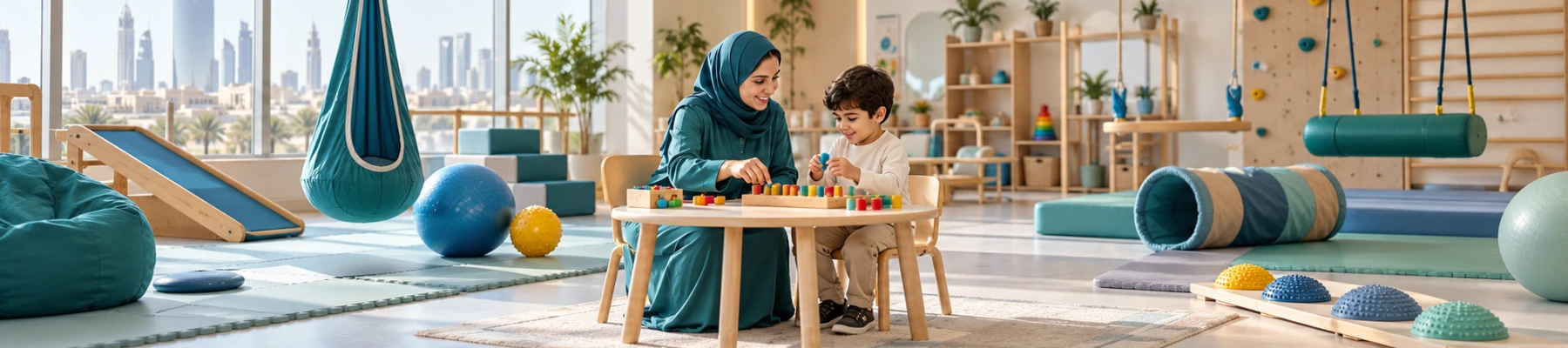
Practical therapy that supports sensory regulation, motor development, self-care, attention, and participation in everyday activities.
For children, meaningful occupations include playing, learning, dressing, eating, writing, and joining family or school routines. Occupational therapy identifies the skills and environmental supports a child needs to participate with greater comfort and independence.
 Sensory Regulation
Structured activities help children notice and respond to sensory input in ways that support calm attention and participation.
Fine & Gross Motor Skills
Play-based practice develops coordination, balance, hand strength, dexterity, and the foundations needed for classroom tasks.
Self-Care & Independence
Goals may include dressing, feeding, toileting routines, organization, and other practical daily living skills.
Attention & Participation
The therapist adapts tasks and environments to help the child remain engaged, transition between activities, and complete routines.
Greater independence in daily routines
Improved coordination and motor confidence
Practical sensory regulation strategies
Better participation at home and school